Wager Webs: How Account Entry and Deposit Options Weave Together Sports Leagues and Casino Floors
Drew Lorenz · Oct 1, 2026
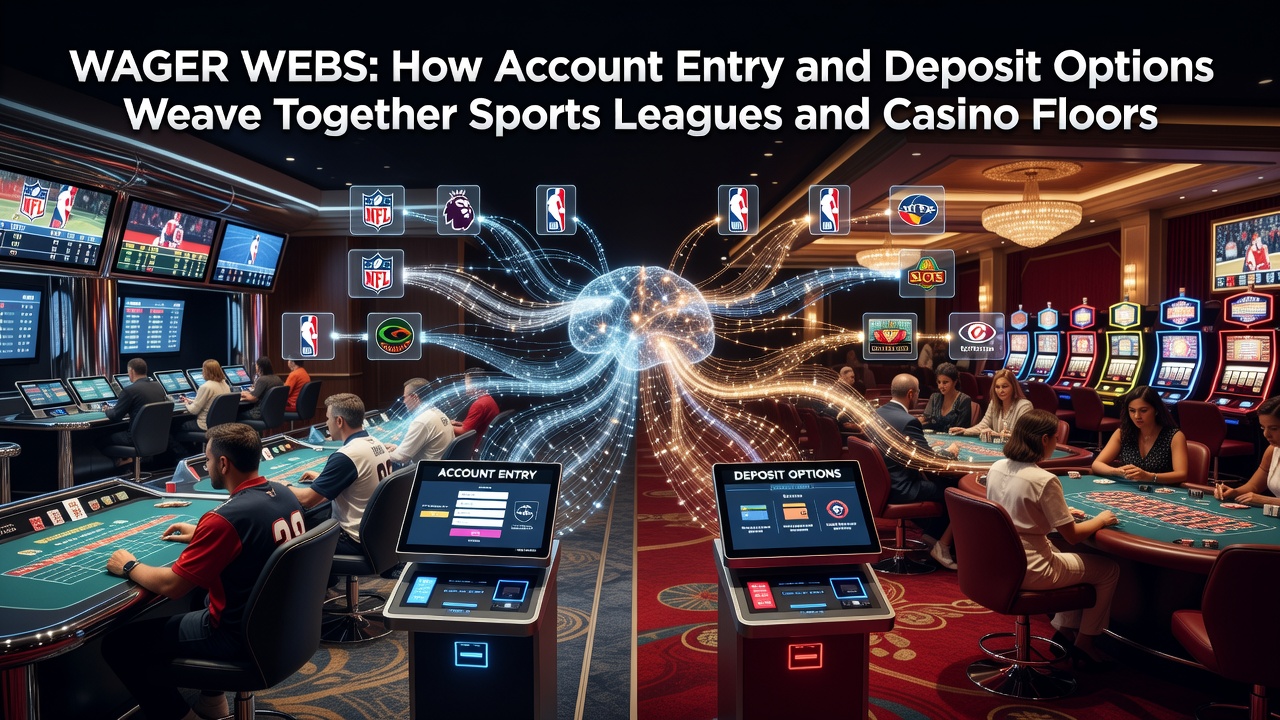
Wager Webs: How Account Entry and Deposit Options Weave Together Sports Leagues and Casino Floors
Account entry systems and deposit mechanisms now form the connective tissue between major sports leagues and casino offerings on integrated platforms. These tools allow users to move from placing wagers on football matches or tennis tournaments straight into slot sessions or live dealer tables without separate registrations. Data compiled through October 2026 shows rising volumes of cross-category activity where single credentials handle both sports odds and casino play.
Unified Logins Create Seamless Pathways
Single sign-on protocols reduce friction by letting one set of credentials unlock multiple sections of a betting site. Operators link sports league interfaces directly to casino floors through backend authentication layers that share user profiles and balance information. Researchers at the University of Nevada Reno documented how these systems cut average session startup times by 40 percent in multi-product environments during 2025 testing periods.
Users who verify once gain immediate access to live betting markets on basketball quarters alongside blackjack tables. The same dashboard displays pending horse race wagers next to active slot progress. Observers tracking platform analytics note that login persistence across devices supports longer engagement spans because players avoid repeated password entries when switching categories.
Deposit Options Bridge Funding Streams
Payment gateways designed for instant transfers now handle deposits that fund both sports and casino balances simultaneously. Methods such as e-wallets, bank transfers, and card processors route funds into unified accounts where the same balance supports a soccer accumulator or a roulette spin. Industry reports from the American Gaming Association highlight how these shared rails increased transaction frequency across product lines in monitored markets through mid-2026.
Real-time processing means deposits made during a live tennis match can immediately appear for use at virtual poker tables. Multiple currency support and quick verification steps keep the flow uninterrupted. Those monitoring transaction logs find that players often alternate between league events and casino rounds within the same funded session when deposit options operate without category restrictions.
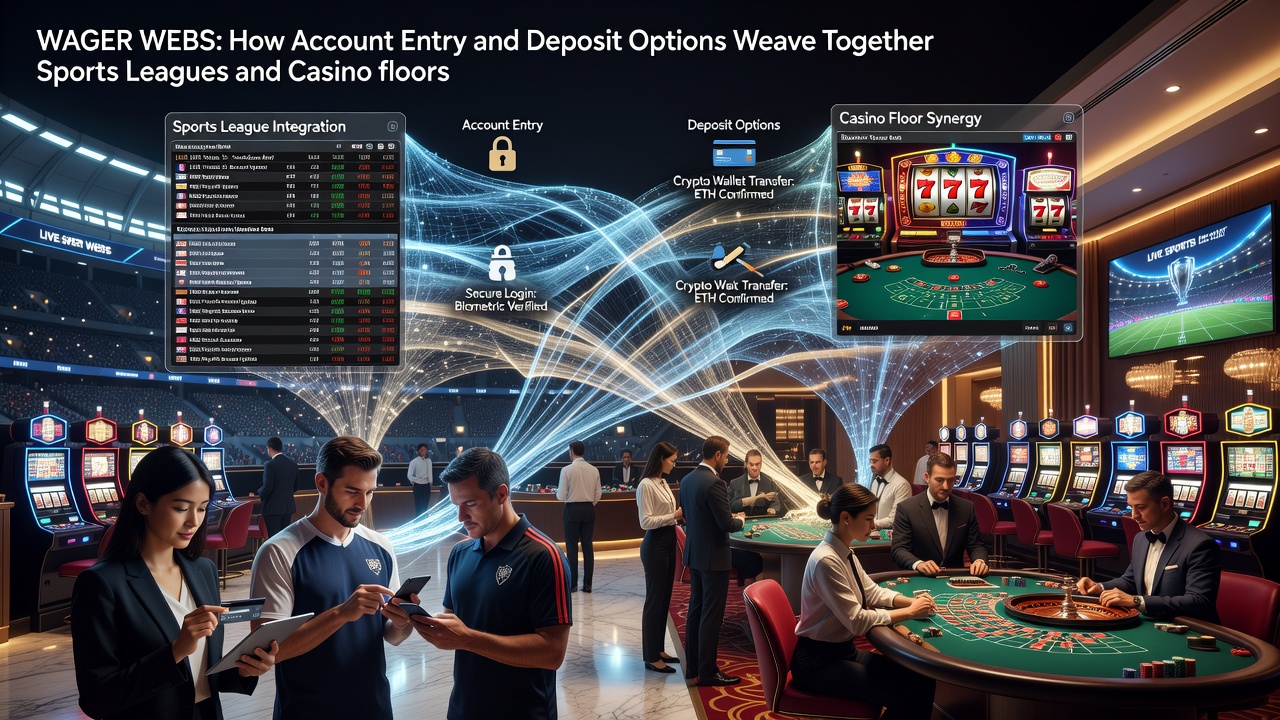
Platform Architecture Supports Cross-Category Movement
Backend databases synchronize account states so that activity in one area updates balances visible everywhere else. When a user deposits for a basketball bet, the same funds register for immediate casino use without extra steps. Software layers track preferences across leagues and games, then surface relevant promotions that span both domains. Studies from Monash University in Australia examined similar architectures and recorded measurable lifts in session continuity when deposit and login systems operate as shared infrastructure rather than separate modules.
October 2026 figures from several large operators indicate that accounts active in both sports and casino segments complete more deposits per month than single-category accounts. The pattern holds across mobile and desktop environments where persistent logins maintain session context during switches. Payment processors that support recurring deposits further tighten the connection by allowing scheduled transfers that users allocate across upcoming league fixtures and casino sessions.
Regulatory and Technical Standards Shape Integration
Compliance frameworks in multiple jurisdictions require clear separation of funds yet permit unified access points when operators maintain proper audit trails. Technical standards for secure authentication and encrypted transfers underpin these connections while preserving transaction records for each category. Platforms that meet these standards report steady growth in users who start with sports wagers and continue into casino play within the same login period.
Developers continue refining APIs that connect league data feeds with casino random number generators under one account umbrella. The result appears in user journeys that move fluidly from odds comparison on a football match to selecting a live dealer table without exiting the authenticated environment.
Conclusion
Account entry and deposit systems now operate as integrated networks that link sports leagues with casino offerings through shared credentials and funding pathways. Data through October 2026 confirms these connections support higher volumes of cross-category activity while meeting security and regulatory requirements. The architecture continues evolving as operators refine the technical links that keep users moving between leagues and casino floors within single authenticated sessions.