Unified Digital Platforms Fueling Bettor Transitions from Racetracks to Athletic Courts and Casino Tables
Sage Sullivan · Sep 17, 2026
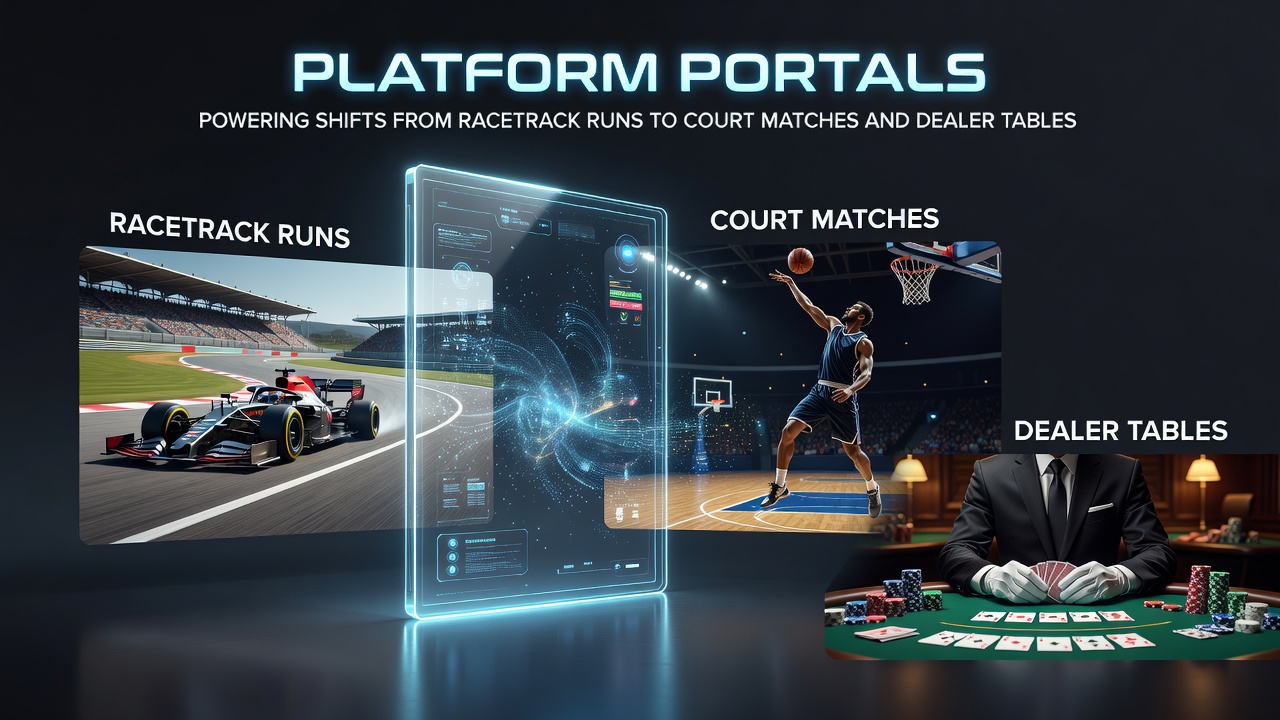
Unified Digital Platforms Fueling Bettor Transitions from Racetracks to Athletic Courts and Casino Tables
Integrated platform portals have emerged as central hubs that connect various betting formats, allowing users to move between horse racing events, court-based sports such as tennis and basketball, and live dealer table games without switching applications or accounts. These systems rely on unified user profiles, shared wallets, and real-time data feeds that update odds across categories simultaneously, and industry reports from bodies like the Victorian Responsible Gambling Foundation document how such features support sustained engagement across multiple verticals.
Platform Architecture Enabling Cross-Format Access
Modern portals combine sports betting engines with casino management systems through application programming interfaces that synchronize balances, bonuses, and history in one location, which means a bettor finishing a wager on a horse race can immediately access tennis match odds or join a blackjack table using the same credentials and funds. Data from regulatory filings show that operators deploying these integrated structures recorded higher session durations compared with siloed platforms, and the architecture typically includes responsive design elements that adapt to mobile devices for quick transitions during live events.
Payment rails embedded within these portals handle deposits and withdrawals across categories with consistent verification protocols, while loyalty programs award points redeemable whether the activity occurs on a racetrack feed, a basketball quarter, or a roulette spin, and this continuity reduces friction that previously prompted users to seek separate sites for different interests.
Observed Patterns in Betting Category Shifts
Records from multiple jurisdictions indicate rising volumes in court sports and table games alongside stable or declining activity in traditional horse racing markets during 2025 and into 2026, with platform data revealing that users who begin sessions on racing often extend play into tennis or live dealer offerings when in-play features and bonus triggers appear. In September 2026, aggregated operator statistics highlighted that portals offering bundled promotions across formats experienced measurable uptake in non-racing categories, whereas standalone racing sites saw slower growth in new registrations.
Researchers tracking user journeys note that algorithmic recommendations surface related events, such as suggesting basketball quarters after a horse race concludes or prompting casino rounds during sports lulls, and these nudges correlate with increased cross-category participation according to internal analytics shared in industry conferences. The pattern appears consistent across regions where digital licensing frameworks permit multi-vertical operations under single operator umbrellas.
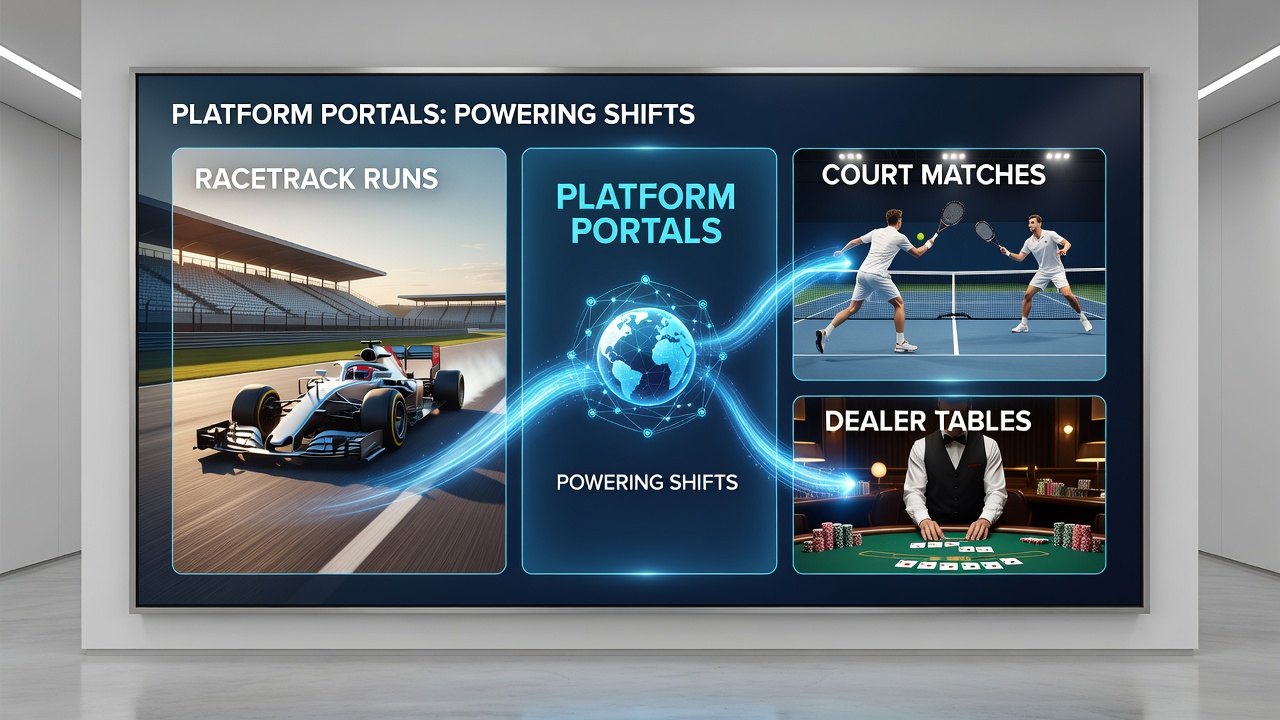
Regulatory and Market Context Through Mid-2026
Government agencies in several jurisdictions have updated reporting requirements to capture multi-format activity, requiring operators to segment data by vertical while still logging unified account metrics, and this approach helps authorities monitor overall exposure levels without restricting platform design. Academic analyses from institutions such as the University of Sydney's Gambling Research Unit examine how portal features influence time spent across categories, finding correlations between seamless navigation tools and broader participation patterns.
Market expansion continues through partnerships that embed live streaming for both sports and casino environments within the same interface, and September 2026 updates from international trade groups reported incremental adoption of unified dashboards in newly licensed markets. Observers point to the role of standardized identity verification processes that carry across verticals, enabling faster onboarding for users exploring new formats after initial registration on racing or sports sections.
Technological Drivers Behind the Transitions
Cloud-based backend systems scale to handle simultaneous feeds from racetracks, stadiums, and casino floors, delivering low-latency updates that keep odds and game states current whether a user remains on one category or switches mid-session. Enhanced security layers, including multi-factor authentication and encryption protocols, protect shared balances across all offerings, and operators report that these measures support higher trust levels that encourage exploration of additional verticals.
Personalization engines analyze historical activity to surface relevant opportunities, such as highlighting live dealer tables after a series of court sport wagers, and the resulting user pathways demonstrate how platform design itself contributes to the documented shifts in activity distribution. Integration with third-party data providers further enriches the experience by supplying contextual statistics that apply equally to horse performance metrics, player statistics, and table game probabilities.
Conclusion
Platform portals continue to consolidate access points for diverse betting formats, with evidence from regulatory reports and academic studies indicating sustained movement of activity toward court sports adn dealer tables alongside traditional racing options. The structural features of unified accounts, shared incentives, and real-time synchronization underpin these transitions, and ongoing developments through 2026 suggest the pattern will persist as licensing regimes and technology stacks evolve in parallel.